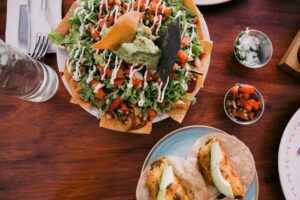


Here in Houston, especially in nearby neighborhoods like Jersey Village, fajitas Tex-Mex style are always a favorite when families get together. Whether it’s a weekend lunch, a casual party, or just a chilly January dinner, that sizzling mix of grilled meat and warm tortillas hits the spot. But even though fajitas show up on lots of Mexican-style menus, they’re actually more Tex-Mex than strictly traditional.
People sometimes ask what sets Tex-Mex food like fajitas apart from classic Mexican meals. On the surface, they might seem similar. They share ingredients, serve warm, and smell amazing when they hit the table. Still, the roots, flavors, and styles between them tell different stories. Knowing what makes each unique helps you appreciate the food more, and it makes meal planning a lot easier too.
What Is Tex-Mex and Where Did Fajitas Come From?
Tex-Mex is short for Texas-Mexican, a blend of cooking influenced by both Mexican families and the local Texas ranch lifestyle. This mix really grew in towns like Houston, where different cultures came together and started sharing food traditions. It’s not just new Mexican food. It’s its own kind of comfort cooking that borrows flavors and ideas from both sides of the border.
Fajitas got their start in the Southwest, especially in ranching communities. Years ago, workers would cook beef cuts over open flames, slice them up, and serve them with tortillas out in the fields. Simple and bold, they became a way to stretch food for groups and keep everyone well-fed.
That style caught on fast. Over the years, fajitas Tex-Mex became something you’d see not just at ranches but at weekend meals, family parties, and local restaurants. With grilled meats, peppers, and onions, they stayed close to their roots while also picking up new seasonings and styles that made them more Tex-Mex than Mexican.
Tex-Mex food, like fajitas, has grown into a tradition, especially around the dinner table in Houston neighborhoods. It is recognized for bold flavors, straightforward grilling, and sides that allow for self-customization. The flavors are familiar and friendly, often bridging families and cultures in the community, which is why this style keeps finding a place at lively gatherings.
Traditional Mexican Dishes and How They’re Different
Traditional Mexican dishes often come from specific regions of the country and take time to prepare. You’ll find meals with deep sauces that simmer for hours, meats that are slowly cooked until tender, and season blends that are passed down through families. These meals are tied to holidays, family traditions, and hometown flavors.
Where Tex-Mex often focuses on speed and sharing, traditional Mexican cooking usually leans into layers of flavor and careful preparation. Different areas in Mexico use different spices, cooking tools, and techniques. That’s part of what makes traditional food so rich and meaningful. It isn’t just what’s on the plate; it’s who made it and how it was done.
In a traditional dish, attention is given to every detail, from grinding spices by hand to letting stews bubble away until their flavors deepen. You might notice each bite has depth that comes from not just a good recipe, but from time and a caring touch. Classics like mole, slow-roasted meats, and tamales are great examples of this tradition, showing off the care that goes into true Mexican cooking.
These dishes usually stay close to their origin. If you’re eating mole, for example, you’ll know the sauce was meant to be thick, rich, and slightly sweet, made slowly and served with care. Nothing fast or build-your-own. Just comfort made the old-school way.
Besides the flavors themselves, traditional Mexican meals are often tied to celebration and family milestones. Recipes might be handed down through generations, coming out only for special occasions, holidays, or Sunday meals with loved ones. It’s this connection to home and history that makes the difference.
Big Differences in How Fajitas Tex-Mex Are Served
One of the biggest differences you’ll notice right away is how fajitas Tex-Mex style are brought to the table. They usually come out sizzling, with grilled meat still steaming on a hot plate. You get soft tortillas on the side, along with toppings like cheese, grilled onions, and sour cream so you can build them yourself.
It’s the kind of setup people in Houston, including those in Jersey Village, know well. These fajitas aren’t meant to be eaten alone or plated in a specific way. They’re served casually, family-style, where everyone gets to dig in and build their own bite the way they like it.
Here’s how that style stands out:
- Fajitas come with build-your-own toppings, making them flexible and fun
- They usually arrive on a hot plate, still sizzling
- Meats are grilled fast, rather than slow-cooked
- Ingredients are easy to mix and match for different tastes
This makes them easy to share, especially at celebrations or big group dinners when you want something hearty and fresh without too much formality.
Tex-Mex fajitas also focus on fun and togetherness at the table. The process of filling your own tortillas, passing toppings, and grabbing another helping keeps everyone at the table smiling and involved. Family members of all ages can find something to enjoy and take part in, making it a meal that truly brings people together.
Why the Differences Matter When Planning a Meal
Knowing the difference between Tex-Mex fajitas and traditional Mexican meals can really help when planning something like a birthday, work lunch, or weekend party. Each food style comes with its own vibe. One is casual, hands-on, and super flexible. The other is homey, rich in tradition, and tied to slower, more detailed cooking.
Tex-Mex fajitas are easier to serve in groups. Because they’re built to be shared and eaten hot off the skillet, they fit perfectly for gatherings where people want something warm and flavorful without having to wait or guess what’s in it. This really helps in winter when guests want a filling meal but don’t want something too heavy or formal.
Traditional dishes might be better for sit-down meals or special occasions where you want something more rooted in heritage. Both have a place. It depends on what kind of mood or event you’re going for.
For group gatherings or community events, the build-your-own setup of Tex-Mex fajitas can reduce stress for hosts and guests alike. There’s less need to coordinate serving sizes or preferences. Everyone finds what they like. But when you want to showcase culture and tradition, traditional Mexican meals give an experience that feels like home, full of history and careful flavor.
A Tasty Mix of Traditions Worth Exploring
Tex-Mex fajitas keep showing up at the right times here in Houston, especially in cool months like January when a warm, no-fuss meal is just what people need. They’re bold, easy to share, and full of flavor that fits everything from birthday parties to casual dinners.
At the same time, we still love and respect the slow, rich flavors of traditional Mexican cooking. There’s something special about both kinds. When we understand what makes them different, it helps us enjoy them even more, whether we’re eating with family at home, planning for a big celebration, or just picking our lunch on a crisp winter day.
This mix of fast and shared with slow and heartfelt is part of what makes Houston’s food scene, especially in Jersey Village, something worth exploring. Cold days in January often call for a hot plate of food and a table full of friends and family. It’s nice to know there are choices that suit every style and occasion, each with its own story and flavor.
Planning your next gathering in Jersey Village, Houston, and searching for something easy to share yet full of flavor? Our sizzling take on fajitas Tex-Mex is a crowd favorite, served hot and ready to build for casual family dinners or chilly winter get-togethers. At Hacienda Don José, we proudly offer choices that make feeding a group simple without missing bold, comforting ingredients. Whether you desire something quick, warm, and satisfying or simply crave grilled meats with all the toppings, we’ve got you covered. Give us a call to get started on your next order.